For international wholesale buyers sourcing leather furniture from Indonesia, understanding the best practices for packing and shipping is crucial. Maron Leather Co. ensures that your products arrive safely, maintaining their quality and integrity. With Indonesia’s robust SVLK certification and strategic export hubs, we provide a reliable and secure supply chain for your business needs.
Understanding SVLK Certification for Legal Timber Assurance
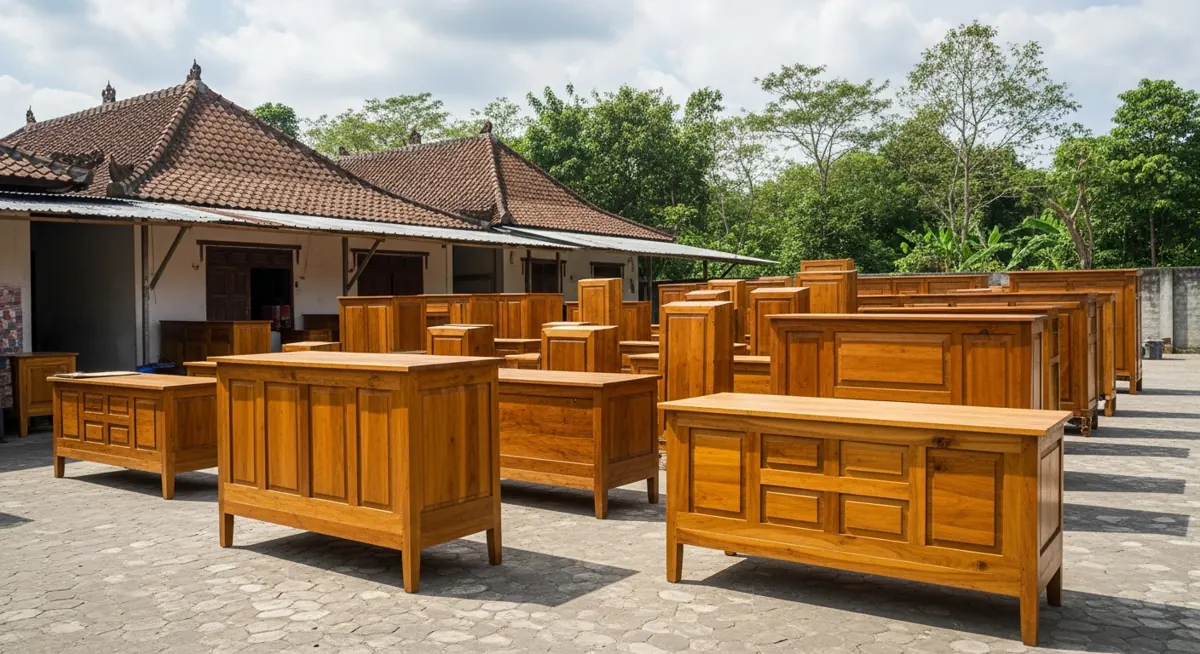
The SVLK (Sistem Verifikasi Legalitas Kayu) is Indonesia’s mandatory certification for ensuring that timber products are legally sourced. This is a critical aspect for international buyers concerned with legal compliance under regulations such as the EU Deforestation Regulation (EUDR) and the US Lacey Act. SVLK provides a V-Legal Document with each consignment, ensuring traceability and legality of the wood used in your furniture. While SVLK assures legality, some manufacturers also opt for FSC certification for additional sustainability credentials. Always confirm the validity of SVLK certificates, as they are issued for three years with annual surveillance. This certification is a cornerstone of our commitment to ethical sourcing.
Materials Used in Leather Furniture Production
Our leather furniture is crafted from a variety of high-quality materials sourced from Indonesia’s rich natural resources. Key materials include solid teak and reclaimed teak from Jepara, known for its durability and aesthetic appeal. We also use mahogany, suar/acacia for live-edge designs, and a range of woven materials like natural rattan, synthetic/PE rattan, water hyacinth, and seagrass. Genuine leather is carefully selected to ensure longevity and comfort. Each material offers distinct characteristics, allowing us to cater to diverse design preferences and functional requirements. The choice of materials is critical for achieving the desired quality and must meet specific quality control standards.
Quality Control in Leather Furniture Production
Ensuring the highest quality in leather furniture production is our top priority. We implement stringent quality control processes at every stage of manufacturing. From material selection to the final inspection, each piece undergoes rigorous testing to meet international standards. Our skilled craftsmen meticulously inspect the leather for consistency in texture and color, while structural integrity is assessed through stress testing and durability checks. We are committed to continuous improvement, employing feedback loops and regular audits to refine our processes. This dedication to quality ensures that our furniture not only meets but exceeds the expectations of discerning wholesale buyers.
Container Loading and Capacity Considerations
Efficient container loading is vital for cost-effective shipping. A 20ft container can accommodate approximately 28 CBM, while a 40ft container holds about 58 CBM, and a 40ft High Cube (40HQ) offers up to 68 CBM. It’s important to note that bulky upholstered and woven pieces often fill the volume before reaching weight limits. Conversely, dense knock-down items may hit weight limits first. Understanding these dynamics helps optimize shipping costs and ensures that orders meet the minimum CBM requirements. Mixed-model and mixed-material containers are feasible, provided that each item meets its per-item MOQ and the load satisfies the minimum CBM. For more details on container loads, visit our MOQ and container loads page.
Determining Minimum Order Quantities (MOQ)
Minimum Order Quantities (MOQ) are crucial for planning and budgeting. Typically, solid-wood furniture requires an MOQ of 5-20 pieces per item, while woven or rattan furniture demands 10-30 pieces per model or color. The minimum order is generally one 20ft container, equating to about 25-28 CBM. This MOQ structure allows flexibility in ordering while ensuring economic production scales. Mixed orders are common, provided each item meets its specific MOQ. This approach supports diverse inventory needs without compromising on cost efficiency. For tailored advice, consult our MOQ and container loads guidelines.
Finishing Techniques and Options
The finishing process is crucial in defining the final appearance and durability of leather furniture. We offer a variety of finishing options to suit different aesthetic and functional needs. These include natural oil finishes that enhance the grain of the wood, water-based lacquers for a glossy appearance, and matte finishes for a more subdued look. Our leather finishes range from aniline to semi-aniline and pigmented options, each providing a unique feel and level of protection. The choice of finish not only affects the visual appeal but also the maintenance and longevity of the furniture. By selecting the appropriate finish, buyers can ensure that the furniture aligns perfectly with their market’s preferences and resilience requirements.
Lead Times and Incoterms for International Shipping
Understanding lead times and Incoterms is essential for planning and logistics. Production lead times typically range from 30-60 days, depending on order size and finishing requirements. Sea-freight transit times vary, approximately 3-5 weeks to destinations such as the US, EU, and Australia, while shorter routes serve the Middle East and Asia. The most common Incoterm is FOB (Free On Board), where the seller handles export clearance and loading, and the buyer manages sea freight and insurance. CFR/CNF and CIF terms are also available. Always confirm current schedules and terms per order to ensure smooth logistics. For more on shipping processes, explore our furniture export shipping process.
Payment Terms and Financial Arrangements
Financial arrangements are a pivotal aspect of international trade. Typically, a deposit of approximately 30-50% via T/T (bank transfer) initiates production, with the remaining balance due against a copy of the Bill of Lading (B/L). Payment terms are negotiable, particularly for repeat buyers, to foster long-term partnerships. It is advisable to confirm specific terms per order to align with your financial planning and cash flow requirements. Our transparency in financial dealings ensures mutual trust and reliability in our business relationships.
Additional Considerations for Safe Packing and Shipping
Safe packing and shipping practices are fundamental to preserving the quality of leather furniture during transit. Packaging materials like bubble wrap, foam, and sturdy cardboard boxes are used to protect furniture from damage. Each piece is carefully wrapped and secured to prevent movement within the container. Additionally, moisture-absorbing materials are employed to safeguard against humidity-related issues. These measures are crucial for maintaining the furniture’s integrity from the point of departure to its final destination. Our commitment to meticulous packing ensures that every piece arrives in pristine condition, ready for display or use in your projects.
For detailed inquiries and to request a quote, please visit our contact page. Our team is ready to assist you with all your sourcing needs, ensuring a smooth and reliable procurement process.