As an experienced Indonesian furniture-export manager, I’m here to provide you with comprehensive insights into the various leather materials used in furniture production. Understanding these materials is essential for international wholesale buyers, including importers, retailers, interior designers, and those involved in hotel and hospitality procurement. Indonesia, with its rich tradition in furniture manufacturing, offers a variety of leather materials that cater to diverse market needs and preferences.
Understanding Genuine Leather Types
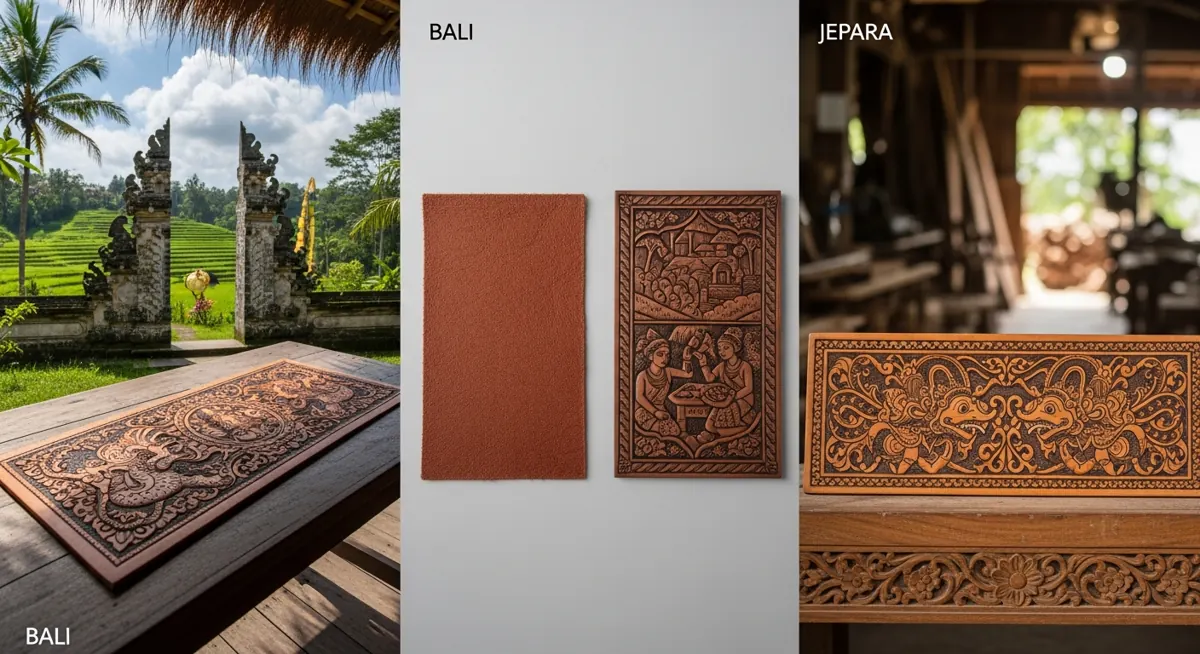
Genuine leather is a popular choice for furniture due to its durability and luxurious appeal. It is essential to distinguish between the different types of genuine leather to make informed purchasing decisions. Full-grain leather, for instance, is the highest quality leather available, known for its natural texture and strength. It is often sourced from the top layer of the hide, retaining all the natural imperfections that add to its character. Top-grain leather, while slightly less durable than full-grain, offers a smoother finish as it undergoes sanding to remove imperfections. Both types are commonly used in high-end furniture pieces.
Another option is corrected-grain leather, which undergoes significant processing to remove imperfections, resulting in a uniform appearance. This type of leather is often more affordable, making it a popular choice for mid-range furniture. Bonded leather, on the other hand, is made from leather scraps bonded together with adhesive, offering a budget-friendly alternative with a similar look to genuine leather. For more detailed information on the durability and characteristics of these types, visit our leather grades and durability page.
Comparing Leather Alternatives
In addition to genuine leather, there are several alternative materials available that mimic the look and feel of leather. These alternatives, such as faux leather and leatherette, are often chosen for their cost-effectiveness and ease of maintenance. Faux leather, also known as synthetic leather, is made from a plastic base and is designed to replicate the appearance of genuine leather. It is available in a wide range of colors and finishes, making it a versatile choice for furniture manufacturers.
Leatherette, a type of faux leather, is created by bonding a plastic coating to a fabric base, offering a durable and water-resistant surface. These alternatives are particularly popular in environments where ease of cleaning and resistance to wear and tear are priorities, such as in hospitality settings. While genuine leather offers unmatched luxury and durability, leather alternatives provide a practical and budget-friendly option for various applications. Learn more about these materials on our understanding leather materials page.
MOQ and Container Loading Considerations
When sourcing leather furniture from Indonesia, understanding the minimum order quantity (MOQ) and container loading specifications is crucial. For solid-wood furniture, MOQs typically range from 5-20 pieces per item, while woven and rattan pieces require 10-30 pieces per model or color. The minimum order generally fills a 20ft container, approximately 25-28 CBM. Mixed-model and mixed-material containers are a standard practice, provided each item meets its per-item MOQ and the load meets the minimum CBM requirement.
Container loading capacities are approximately 28 CBM for a 20ft container, 58 CBM for a 40ft container, and 68 CBM for a 40ft High Cube (40HQ) container. It is essential to consider the volume and weight of the furniture, as bulky upholstered pieces may fill the container before reaching weight limits, whereas dense knock-down items may hit the weight limit first. For a detailed breakdown of loading specifications, please contact our logistics team.
Lead Times and Incoterms Explained
Understanding lead times and Incoterms is vital for planning your procurement schedule. The production lead time for leather furniture is typically 30-60 days, depending on the order size and finishing requirements. Sea-freight transit to major markets such as the US, EU, and Australia takes approximately 3-5 weeks, though this varies by route and season. Always confirm current schedules with your shipping agent.
FOB (Free on Board) is the most common Incoterm used, where the seller handles export clearance and loading at the Indonesian port, while the buyer books sea freight and insurance. Other terms such as CFR (Cost and Freight) and CIF (Cost, Insurance, and Freight) are also offered. Major export seaports include Tanjung Perak (Surabaya), Tanjung Emas (Semarang), and Benoa (Bali). For a thorough understanding of Incoterms and lead times, refer to our detailed guide on OEM/ODM furniture manufacturing.
SVLK Certification and Legal Compliance
Indonesia’s furniture exports are governed by the SVLK (Sistem Verifikasi Legalitas Kayu), a mandatory Timber Legality Assurance System. This system ensures that all wood products are legally harvested and traceable. Export consignments must ship with a V-Legal Document, providing strong legality evidence for buyers under the EU Deforestation Regulation and the US Lacey Act. The SVLK certification is valid for three years, with annual surveillance checks.
While SVLK provides a solid legality baseline, some factories also offer FSC (Forest Stewardship Council) certification for added sustainability credentials. It is important to note that SVLK is not equivalent to FSC. For more information on SVLK compliance, visit the official SVLK and V-Legal website.
Pricing, Payment Terms, and Contact Information
Pricing for leather furniture is quoted per order and depends on several factors, including material, grade, specification, finish, volume, and Incoterm. Fixed prices are not stated; instead, we invite you to request a quote to receive tailored pricing. Payment terms typically involve a deposit of approximately 30-50% by T/T (bank transfer) to start production, with the balance due against a copy of the Bill of Lading. Terms are negotiable for repeat buyers.
For a personalized quote and detailed pricing, please contact us via WhatsApp at +62 811-3941-4563 or email at [email protected]. For more information, please visit our contact page to begin the request-a-quote (RFQ) process.
Conclusion
By understanding the various leather materials and their applications, international buyers can make informed purchasing decisions and ensure their investment in Indonesian leather furniture aligns with their quality and budget expectations. For further inquiries and to start your sourcing journey, please contact us today to request a quote.