As an international wholesale buyer seeking custom furniture solutions, understanding the intricacies of OEM/ODM manufacturing in Indonesia is crucial. With its rich heritage in craftsmanship and diverse material offerings, Indonesia stands out as a prime destination for sourcing high-quality furniture. This guide provides a detailed overview of the OEM/ODM process, helping you make informed decisions for your business.
Understanding OEM/ODM Manufacturing
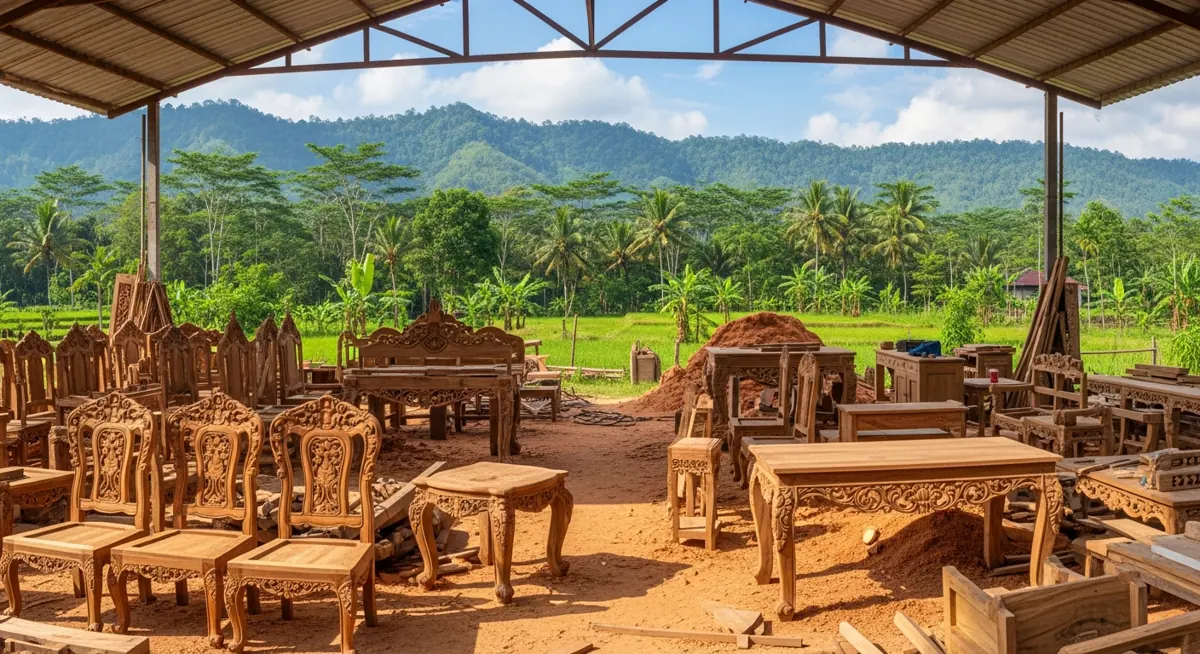
OEM (Original Equipment Manufacturer) and ODM (Original Design Manufacturer) are two distinct models for furniture production. In OEM, factories produce furniture based on a buyer’s specific designs and specifications. This approach is ideal for brands looking to maintain unique design identities. ODM, on the other hand, involves manufacturers designing furniture that buyers can customize or rebrand. Both models support custom furniture solutions, allowing businesses to tailor products to their market needs. In Indonesia, factories often provide pre-production samples to ensure alignment with buyer expectations before commencing bulk production. This collaborative approach minimizes risks and ensures product quality.
Material Options for Custom Furniture
Indonesia offers a diverse range of materials for furniture manufacturing, catering to various design preferences and functional requirements. Key materials include:
- Solid teak and reclaimed/recycled teak (from Jepara/Java)
- Mahogany
- Suar/acacia (live-edge)
- Natural rattan and synthetic/PE all-weather rattan
- Water hyacinth and seagrass
- Genuine leather
- Stone/terrazzo tops
Each material offers unique characteristics, from the durability and elegance of teak to the versatility and lightweight nature of rattan. Buyers can choose based on aesthetic and functional needs, ensuring the final product aligns with their brand values and target market preferences.
Quality Control and Assurance
Maintaining high standards of quality is essential in furniture manufacturing. Indonesian manufacturers employ stringent quality control (QC) processes to ensure each piece meets the required specifications. This involves multiple stages of inspection, starting from raw material selection to final product assembly. QC teams check for defects in materials, construction, and finishes. They also ensure that the furniture complies with international safety standards. Regular audits and third-party inspections are common practices to provide additional assurance to buyers. By prioritizing quality control, manufacturers help buyers deliver reliable and durable products to their customers.
Finishing Techniques and Options
Finishing is a critical step in furniture production that enhances both aesthetics and durability. Indonesian manufacturers offer a wide range of finishing options to suit different styles and preferences. These include natural oil finishes, which highlight the wood’s grain and color, and lacquer finishes that provide a glossy, protective layer. For outdoor furniture, UV-resistant and weatherproof coatings are available to extend the product’s lifespan. Buyers can also opt for distressed or antique finishes to achieve a vintage look. The choice of finish can significantly impact the final appearance and appeal of the furniture, making it a crucial consideration in the design process.
Packing and Shipping Methods
Proper packing and shipping are essential to ensure that furniture arrives at its destination in excellent condition. Indonesian manufacturers use various packing methods, such as bubble wrap, foam padding, and corrugated cardboard boxes, to protect furniture during transit. For larger items, wooden crates or pallets may be used for added security. Shipping options include full container load (FCL) and less than container load (LCL), depending on the order size. Efficient logistics and partnerships with reliable freight forwarders are key to minimizing transit times and costs. Buyers should discuss packing and shipping preferences with manufacturers to ensure smooth and safe delivery.
Container Loading and MOQ Considerations
Efficient container loading is essential for cost-effective shipping. A 20ft container holds approximately 28 CBM, while a 40ft container can accommodate 58 CBM, and a 40ft High Cube (40HQ) offers 68 CBM. The choice between these options depends on order size and product type. Bulky items like upholstered furniture may fill the container volume before reaching weight limits, whereas dense items might hit weight limits first. Minimum order quantities (MOQs) typically range from 5-20 pieces for solid-wood furniture and 10-30 pieces per model or color for woven items. A minimum of one 20ft container (about 25-28 CBM) is standard, with mixed-model and mixed-material containers being common practice.
Lead Times and Incoterm Options
Understanding production and shipping timelines is crucial for planning inventory and sales. Production lead times for custom furniture range from 30-60 days, depending on order size and complexity. After production, sea freight transit takes approximately 3-5 weeks to destinations like the US, EU, and Australia, with shorter durations to the Middle East and Asia. Key Incoterms include FOB, where the seller handles export clearance and loading, and the buyer books sea freight and insurance. CFR/CNF and CIF terms are also available. Confirm current schedules and terms during the lead-time planning phase.
SVLK Certification and Legal Compliance
Indonesia’s SVLK (Sistem Verifikasi Legalitas Kayu) is a mandatory legality assurance system for timber products, ensuring that wood is legally harvested and traceable. All wood-product exporters must ship consignments with a V-Legal Document. This certification supports compliance with the EU Deforestation Regulation (EUDR) and the US Lacey Act, providing strong legality evidence. While SVLK focuses on legality, some manufacturers also pursue FSC certification for sustainability. For more details, visit the SVLK official site.
Pricing and Payment Terms
Pricing for OEM/ODM furniture manufacturing is influenced by material choice, design complexity, volume, and selected Incoterms. Quotes are provided per order, emphasizing the need for a detailed Request for Quote (RFQ) to obtain accurate pricing. Payment terms generally involve a 30-50% deposit via T/T (bank transfer) to initiate production, with the balance due against a copy of the Bill of Lading (B/L). Terms may be negotiable for repeat buyers. Confirm specifics during the RFQ process to ensure clarity and mutual agreement.
Indonesia’s Furniture Export Hubs
Indonesia’s furniture industry is characterized by specialized regional hubs. Jepara, in Central Java, is renowned for its teak and carved/classic furniture. Bali is known for its design-led production, focusing on rattan, outdoor, and contemporary pieces. These hubs offer a blend of traditional craftsmanship and modern design, catering to diverse market needs. Export markets include the US, EU, Australia, the Middle East, and Japan. Understanding these hubs helps buyers connect with the right manufacturers for their specific requirements. Learn more about quality standards at quality control in furniture production.
For comprehensive custom furniture solutions, Maron Leather Co. is your trusted partner in OEM/ODM manufacturing. We invite you to contact us to discuss your requirements and submit a Request for Quote to start your sourcing journey.